How to Prepare Your Kitchen for an Unannounced HACCP Inspection
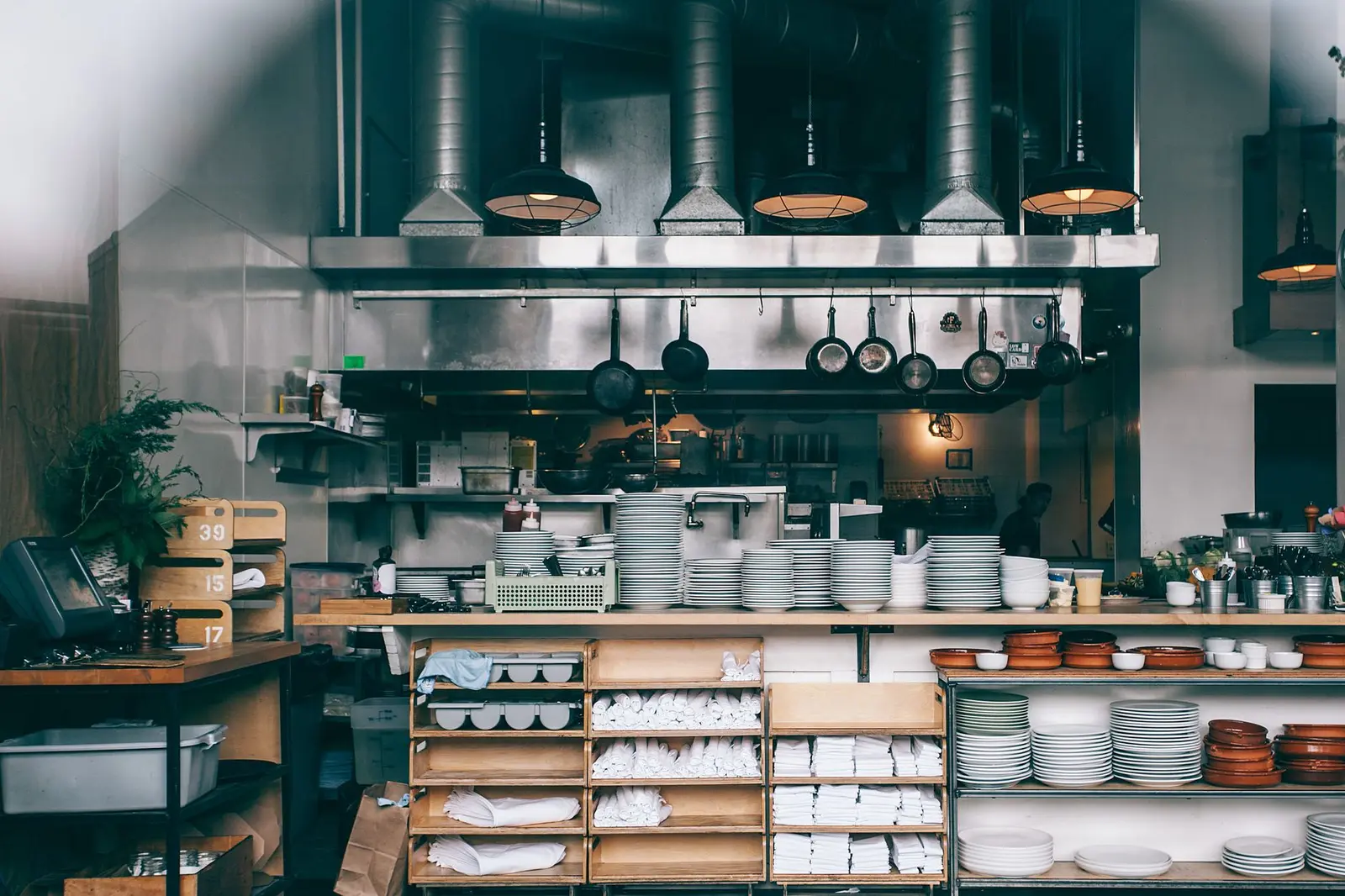
A practical guide for food service businesses: how to keep your commercial kitchen continuously prepared for surprise HACCP inspections and food safety audits.
Under current regulations in Georgia, the National Food Agency conducts periodic, unannounced inspections of restaurants, hotels, and other food service establishments. The main challenge of a surprise audit is that staff have no time to scramble and fix existing deficiencies. When an inspector steps into the kitchen, they evaluate not a one-time cleanup, but a functioning system operating continuously on a daily basis.
To prevent costly fines or business suspension, a kitchen must consistently meet Critical Control Point (CCP) requirements. Below are practical steps that will help your team successfully pass any surprise inspection.
1. Instant Access to Documentation and Logs
Inspectors typically ask to review records first. Backdating logs or missing recent entries is an immediate violation. The person in charge of the kitchen must always keep the following organized and up to date:
- Temperature monitoring logs for refrigerators and freezers (recorded at least twice daily);
- Cooking, cooling, and oil replacement records;
- Employee health and personal hygiene monitoring cards;
- Pest control service agreements, recent inspection reports, and Safety Data Sheets (SDS) for all chemicals used.
Keep all these documents in a dedicated binder so that even if the general manager is off-site, the shift supervisor can present them immediately upon request.
2. Integrated Pest Management and Barrier Protection
Finding evidence of insects or rodents in a kitchen is a critical non-compliance issue that often leads to immediate closure. Given the local climate, especially in cities like Tbilisi and Batumi, German cockroaches and rodents represent significant ongoing risks.
During an audit, inspectors pay close attention to the following details:
- Rodent monitoring points: All traps must be numbered, mapped out on a facility diagram, and inspected on a regular schedule;
- UV insect light traps: These must never hang directly above open food or prep surfaces to prevent insect fragments from contaminating ingredients;
- Physical barriers: Ventilation ducts, floor drains, and door sweeps must be tightly sealed with insect screens and rubber gaskets to block pest entry.
If you partner with a pest control company, require a detailed facility map and a signed service report after every visit detailing the status of every inspected trap.
3. Preventing Cross-Contamination
Cross-contamination is one of the most critical violations under HACCP standards. The inspector will check how strictly raw ingredients and ready-to-eat foods are separated throughout prep and storage.
- Board and knife color-coding: Implement a clear color-coded system (e.g., red for raw meat, yellow for poultry, blue for seafood, green for produce, white for ready-to-eat items). Cutting boards with deep grooves that harbor bacteria must be discarded;
- Refrigerator organization: Ready-to-eat items must always be stored on the upper shelves, with raw meat and poultry placed below to prevent accidental drips and contamination;
- Labeling: Every opened package and prepped ingredient must bear a label showing the exact prep date, time, and expiration date.
4. Sanitation of Hard-to-Reach Areas
Surface-level cleanliness will not fool a seasoned auditor. Experienced inspectors look first where daily routines often fall short:
- Refrigerator and freezer door gaskets: Mold and food residue frequently collect within the folds;
- Behind ovens, ranges, and deep fryers: Accumulated grease is not only a sanitation hazard, but it also attracts pests;
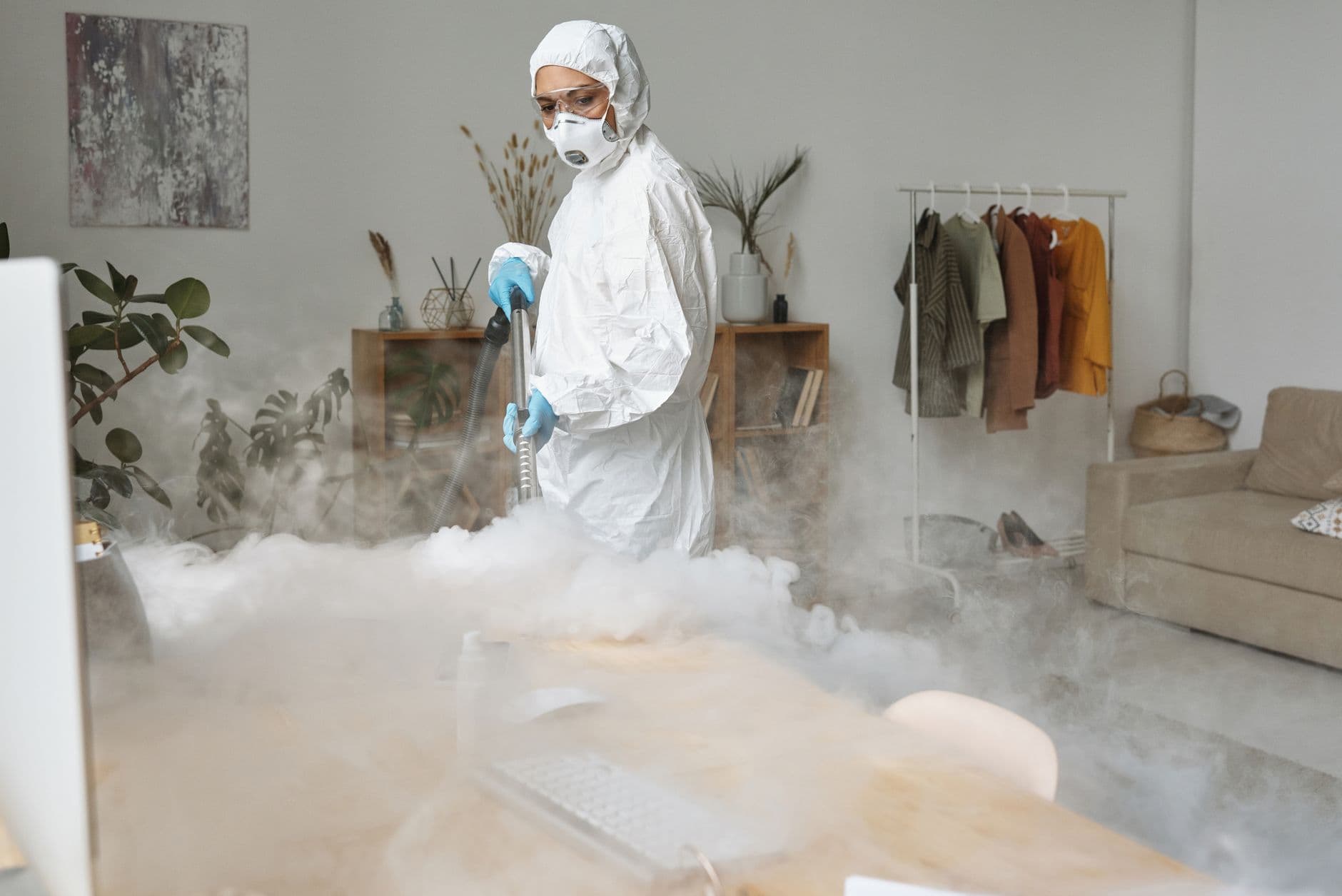
- Floor drains and grease traps: Sludge buildup causes foul odors, signaling bacterial growth. Professional ozone treatment or deep disinfection is often used to neutralize odors and suppress bacterial loads.
What Does Ongoing Readiness Cost in Georgia?
Maintaining continuous kitchen standards requires a systematic approach, which is far less expensive than rebuilding a business reputation after sanctions. Typical market rates in Georgia generally range as follows:
- Monthly pest monitoring and preventive treatments (with HACCP documentation): 150 to 400 GEL per month, depending on kitchen size and layout;
- Deep sanitation and commercial degreasing: 300 to 800 GEL for a one-time treatment;
- Facility ozonation and air disinfection: 100 to 300 GEL, which effectively eliminates odors and airborne pathogens.
When hiring a service provider, always ensure the contractor uses chemicals approved for food safety environments. Request official product safety data sheets and verify that formulations are safe for areas where food is handled. With ongoing self-auditing and dependable vendor partnerships, an unannounced inspection will never catch your team off guard.